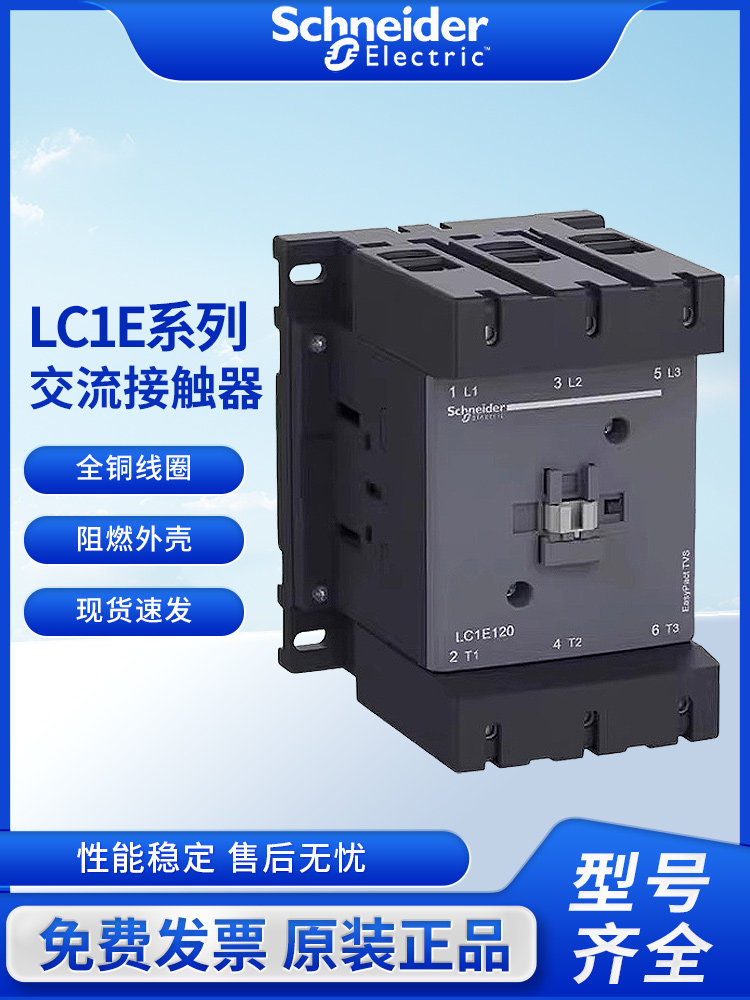
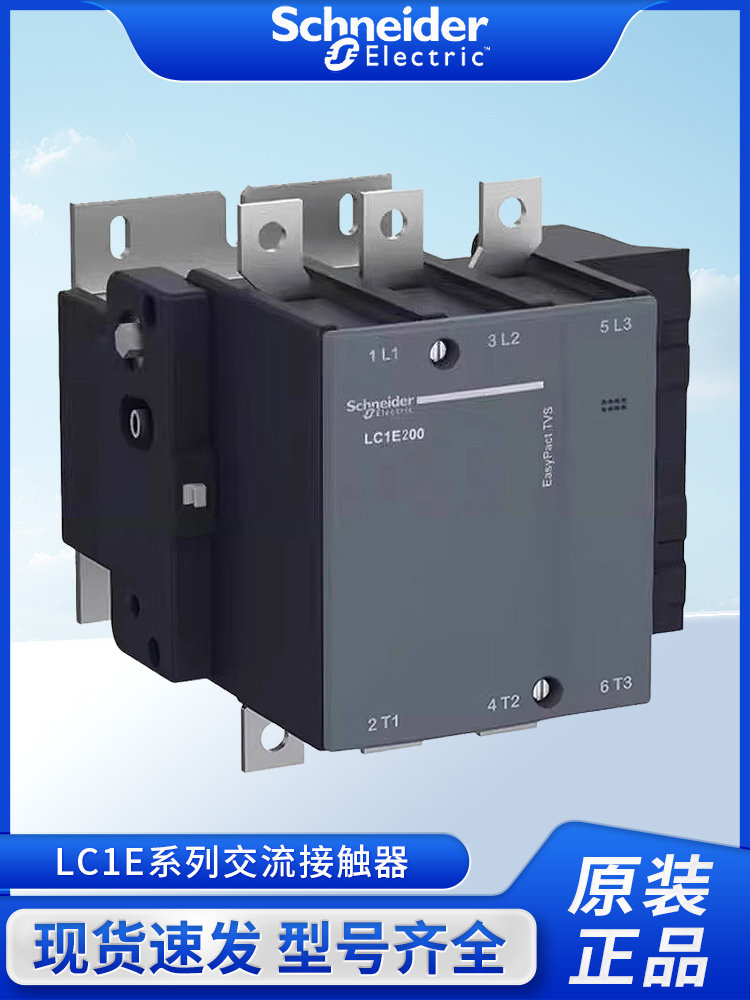
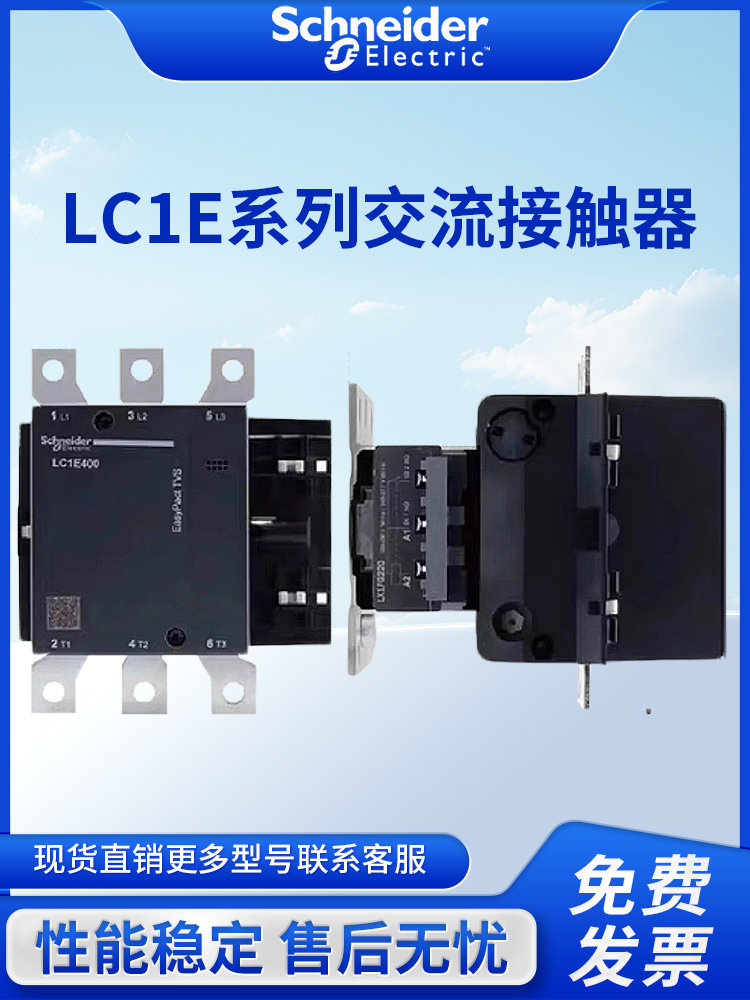
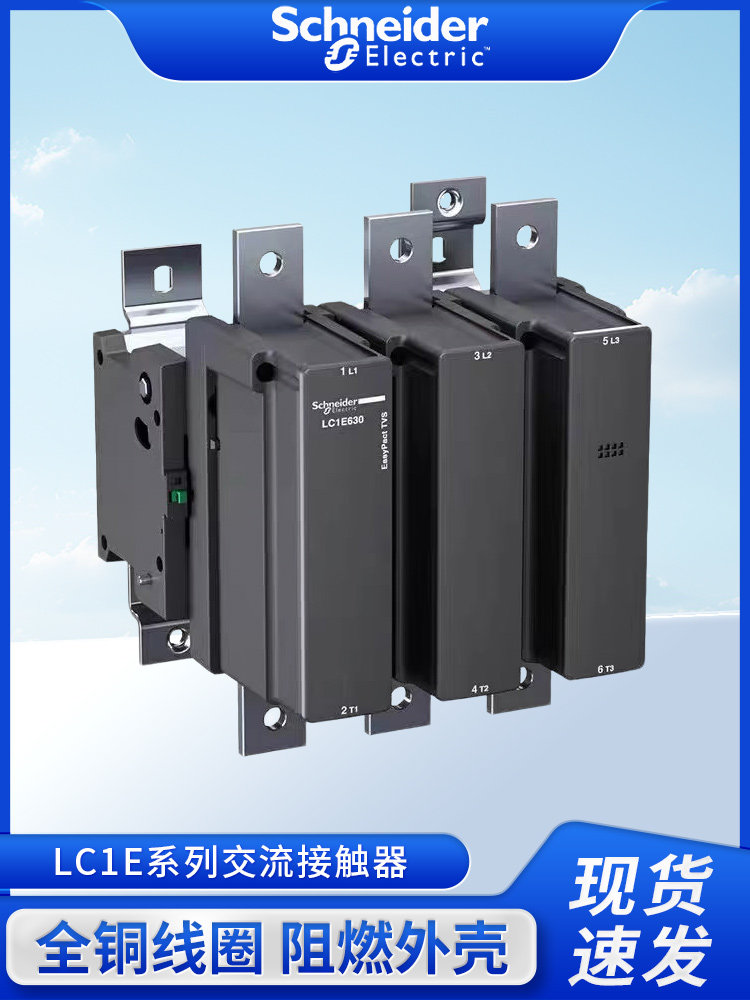
Schneider Electric LC1E Series AC Contactors - High-Capacity Industrial Power Control
The Schneider Electric LC1E series represents a robust and reliable solution for managing high-current AC loads in demanding industrial environments. Designed specifically for motor control, heating, and power distribution applications, these contactors provide the essential bridge between control circuits and heavy-duty machinery. Whether you are managing a factory assembly line or a large-scale HVAC system, the LC1E series delivers the durability and precision required to maintain operational uptime.
Key Benefits
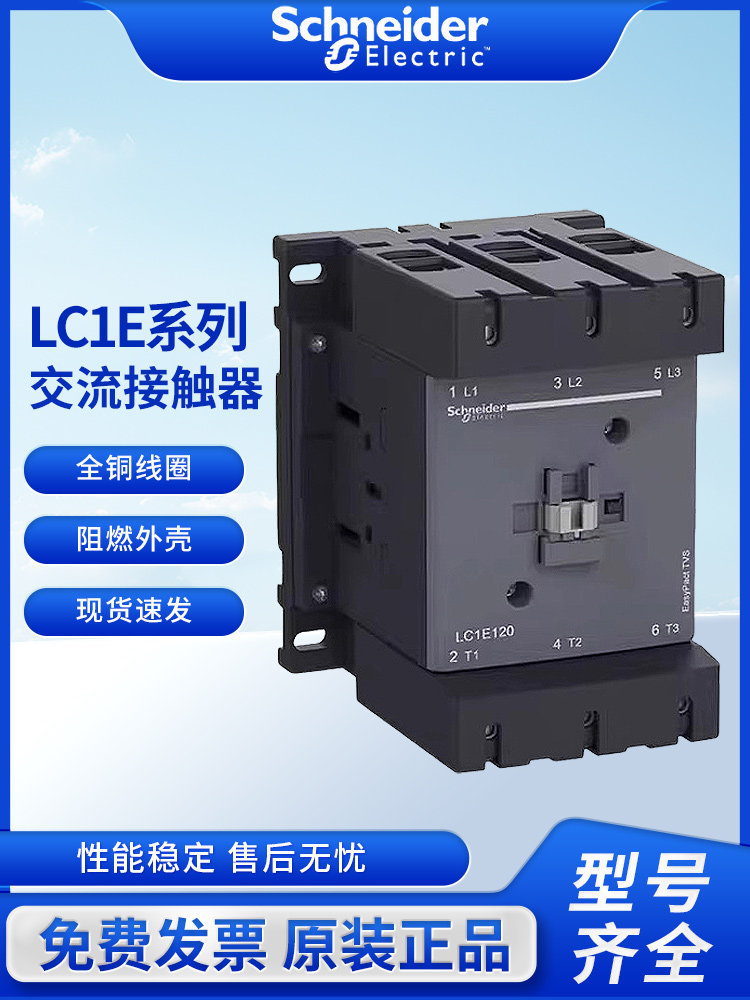
- High-Purity Full Copper Coils: Engineered with 100% copper windings, these contactors ensure superior electrical conductivity, reduced heat generation, and a significantly longer operational lifespan compared to inferior alloy alternatives.
- Advanced Flame-Retardant Housing: Safety is paramount in electrical engineering. The LC1E series features a high-strength, flame-retardant outer shell that prevents combustion and protects internal components from external environmental hazards.
- Consistent and Stable Performance: Built to withstand frequent switching cycles, these units provide stable contact pressure and minimal arcing, ensuring that your machinery starts and stops with precision every time.
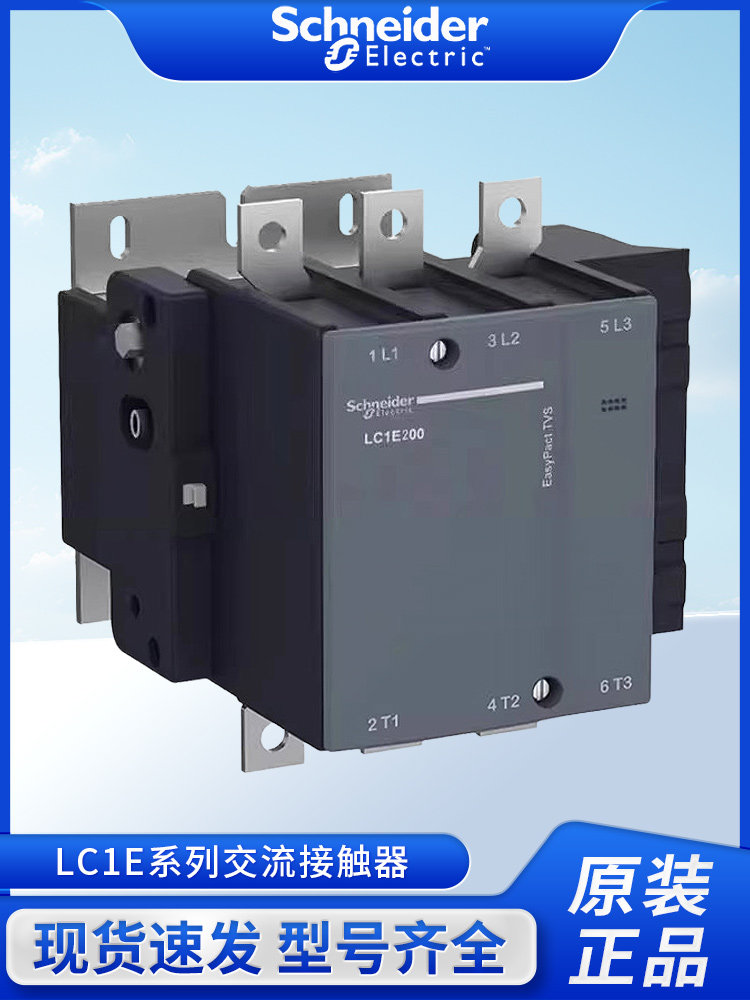
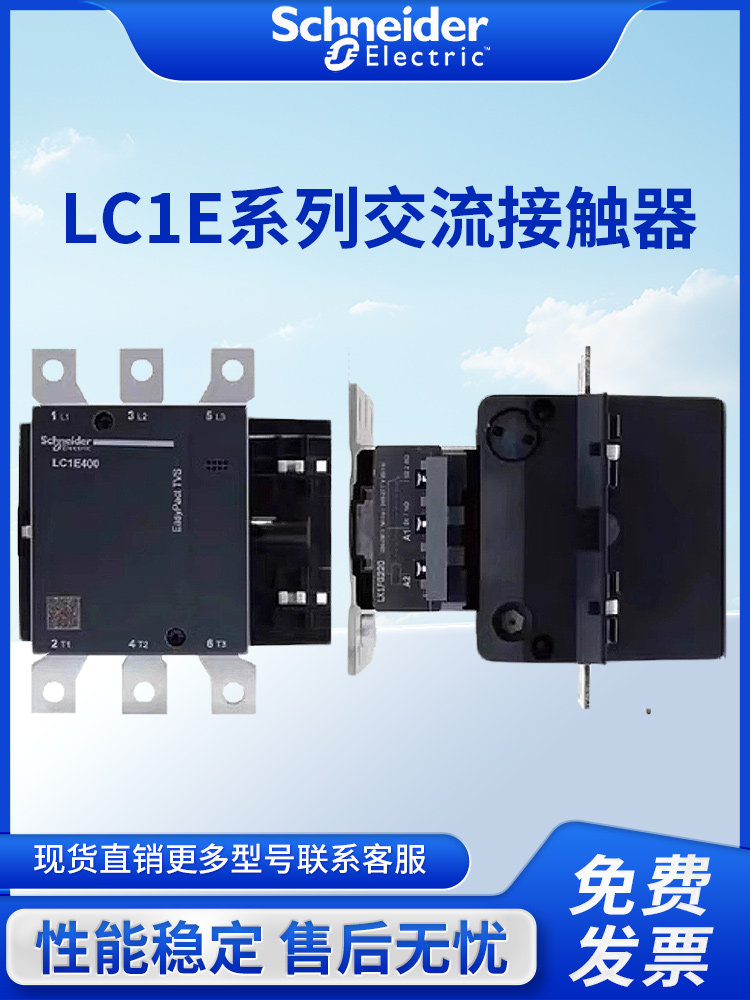
- Scalable Power Solutions: With a wide range of models from the LC1E120 to the LC1E630, this series offers a versatile selection to match specific amperage and horsepower requirements for diverse industrial setups.
- Industrial-Grade Reliability: These contactors are designed for "worry-free" operation, meeting rigorous standards for mechanical and electrical durability in high-load scenarios.
Key Specs
- Series: LC1E Series
- Device Type: AC Contactor
- Coil Material: Full Copper
- Housing Material: Industrial-grade Flame-Retardant Polymer
- Available Models: LC1E120, LC1E160, LC1E200, LC1E250, LC1E300, LC1E400, LC1E500, LC1E630
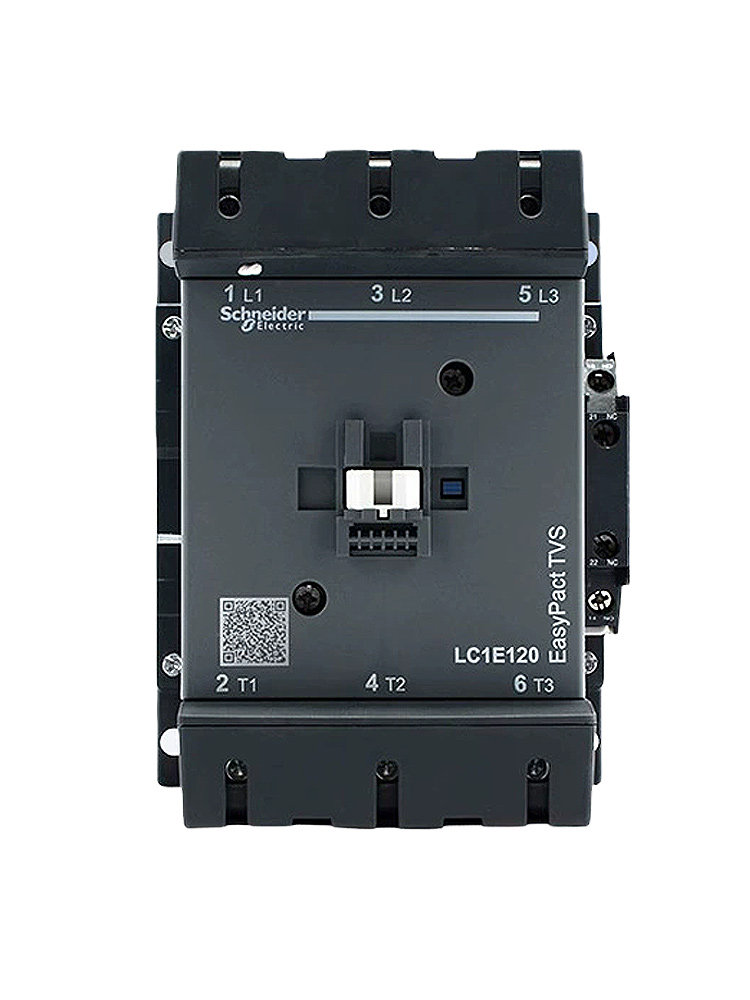
- Terminal Configuration: 3-Pole (3L2, 5L3 input; 2T1, 4T2, 6T3 output)
How to Use
- Preparation: Ensure the power supply is completely disconnected before attempting installation. Verify that the contactor model matches the voltage and current requirements of your motor or load.
- Mounting: Secure the contactor onto a standard DIN rail or a flat mounting plate within a NEMA-rated electrical enclosure.
- Wiring the Load: Connect the incoming power lines to the top terminals (1L1, 3L2, 5L3) and the outgoing load lines to the bottom terminals (2T1, 4T2, 6T3).
- Control Circuit: Connect the control wiring to the A1 and A2 coil terminals. Ensure the control voltage matches the coil rating specified on the device side-label.
- Testing: Once wired, perform a dry run without the load to ensure the contactor engages and disengages smoothly when the control circuit is energized.
Care & Safety
- Electrical Hazard: Installation should only be performed by a licensed electrician or qualified technician.
- Storage: Keep the unit in a dry, dust-free environment. Avoid exposure to corrosive gases or high humidity, which can degrade the copper contacts over time.
- Maintenance: Periodically inspect the terminals for tightness, as thermal cycling can cause wires to loosen. Check for signs of excessive pitting on the contacts if the unit is used for high-frequency switching.
- Heat Dissipation: Ensure adequate ventilation within the electrical cabinet to prevent overheating during continuous operation.
Notes
"Stable performance and worry-free support."