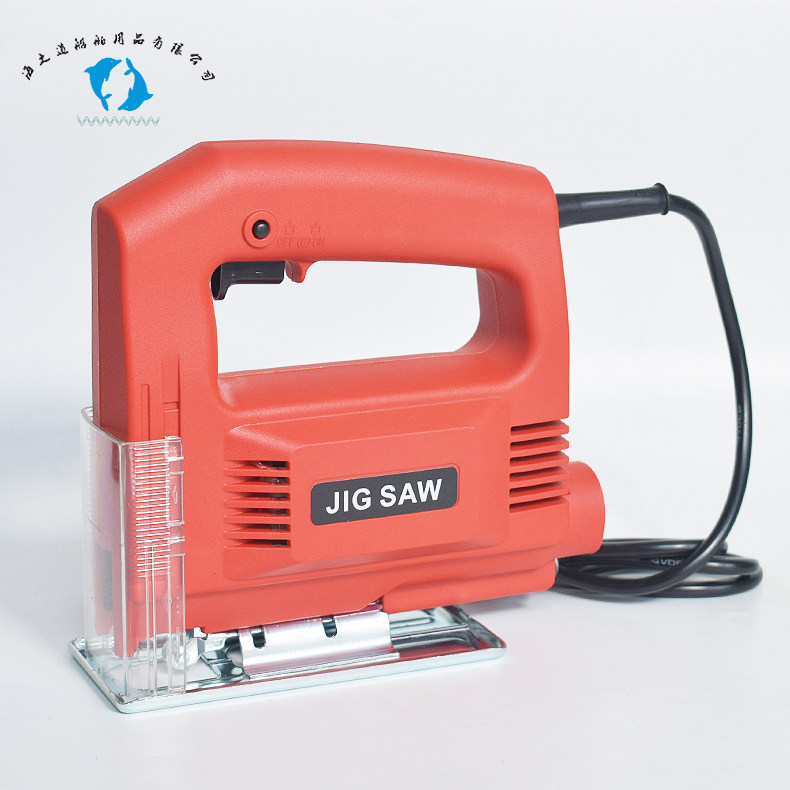
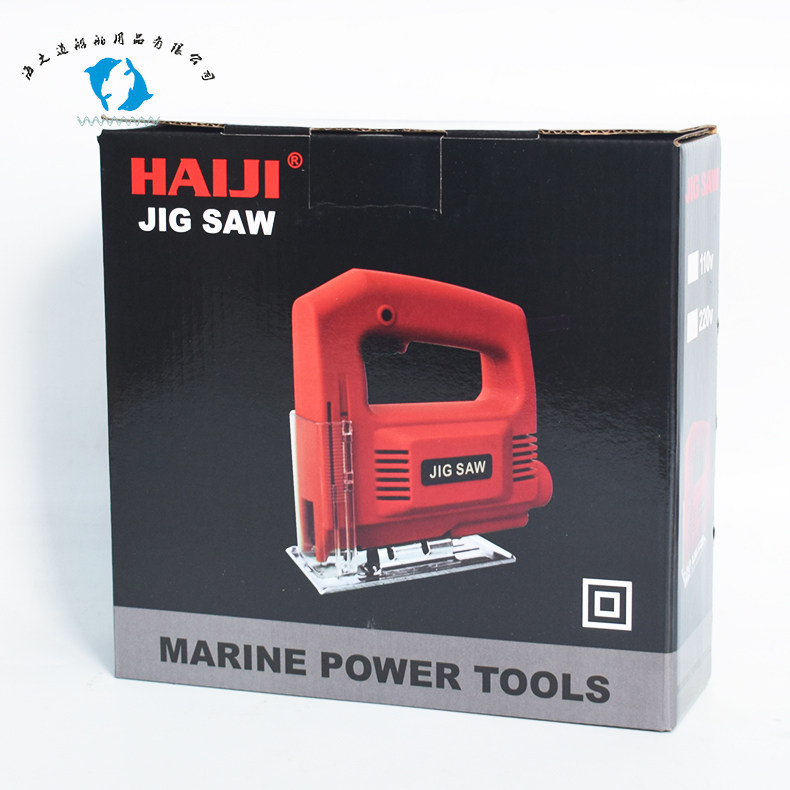
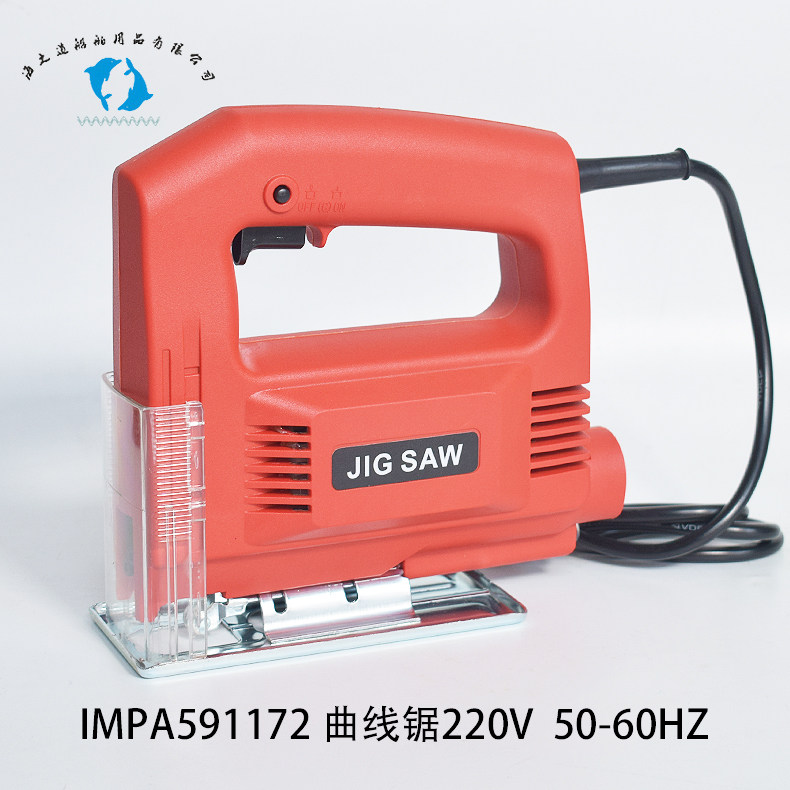
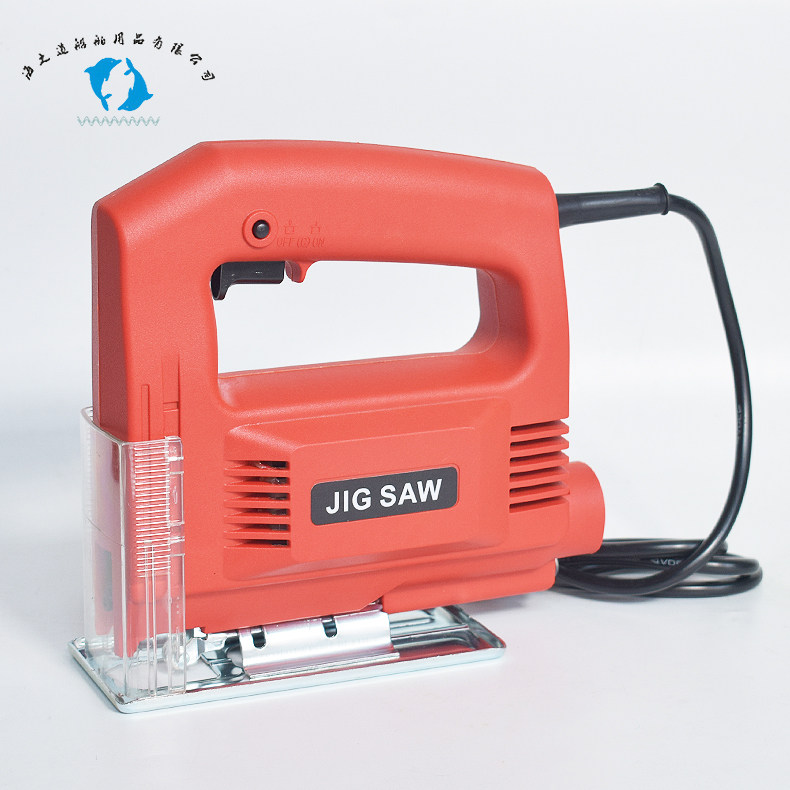
Professional Marine Grade Electric Jig Saw (IMPA 591171 / 591172)
Designed for the rigorous demands of maritime maintenance and industrial fabrication, this Electric Jig Saw is a versatile powerhouse engineered for precision and durability. Whether you are working in a shipyard, on a vessel, or in a heavy-duty workshop, this tool provides the reliability needed to cut through various materials with ease. It is specifically categorized under marine-grade equipment, ensuring it meets the high standards required for professional sea-faring and industrial applications.
Key Benefits
- Industrial-Strength Performance: Engineered as a dedicated marine power tool, this saw is built to withstand the challenging conditions of professional environments, offering consistent power for both straight and intricate curved cuts.
- Dual-Voltage Versatility: To accommodate different global electrical standards and shipboard power systems, this model is available in two distinct configurations: a 110V 60Hz version and a 220V 50-60Hz version.
- Precision Maneuverability: The vertical reciprocating action allows for high-accuracy scrollwork, making it the ideal choice for cutting shapes, tight curves, and vertical lines in wood, metal, or composite materials.
- Ergonomic Grip & Control: Designed with a top-handle configuration, the saw provides maximum leverage and comfort during extended use, reducing operator fatigue while increasing safety.
- Standardized Marine Inventory: Being IMPA-coded, this tool integrates seamlessly into professional marine inventory systems, ensuring easy identification and compatibility for international shipping and repair crews.
Key Specs
- Model Options: IMPA 591171 (110V, 60Hz) or IMPA 591172 (220V, 50-60Hz).
- Tool Type: Handheld Electric Reciprocating Jig Saw / Vertical Saw.
- Power Source: Corded Electric.
- Frequency: 50-60Hz (depending on model).
- Application: Marine Power Tools / Industrial Maintenance.
How to Use
- Voltage Verification: Before connecting to a power source, ensure your outlet matches the specific voltage of your unit (either 110V or 220V).
- Blade Installation: Select the appropriate blade for your material (e.g., fine-tooth for metal or coarse-tooth for wood). Ensure the tool is unplugged before inserting the blade into the chuck and securing it firmly.
- Workpiece Preparation: Secure your material using clamps to prevent vibration. Mark your cutting line clearly on the surface.
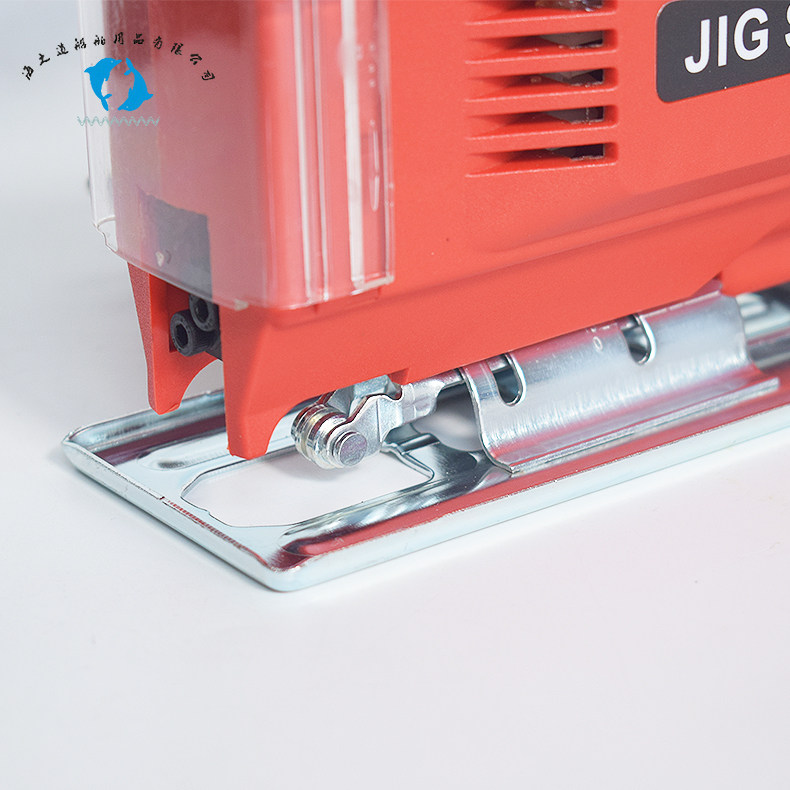
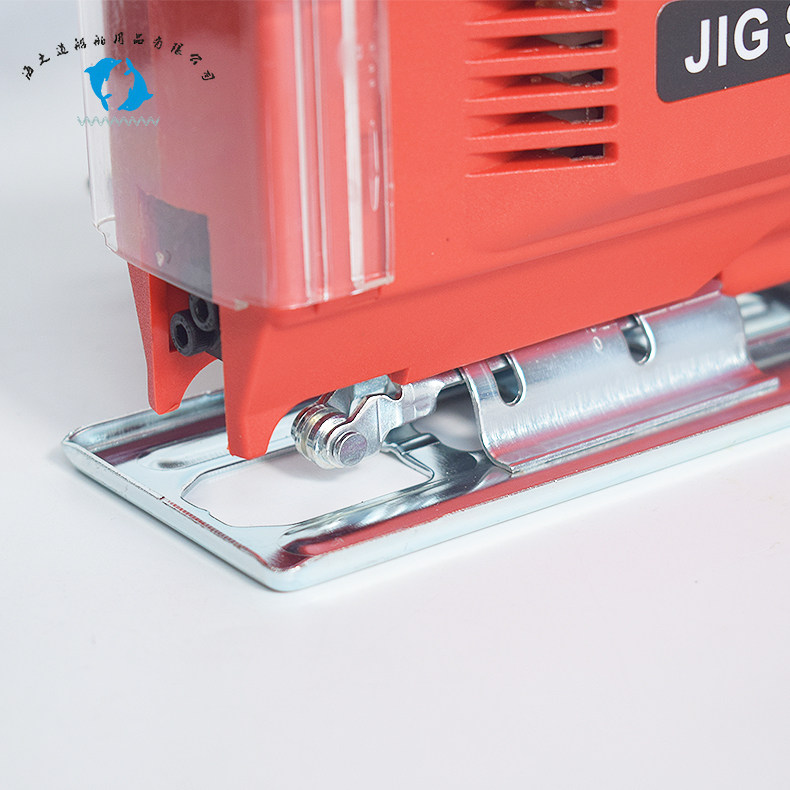
- Cutting Process: Place the front of the base plate on the material without the blade touching the surface. Switch the tool on and allow it to reach full speed before moving forward along your marked line.
- Finishing: Once the cut is complete, turn off the tool and wait for the blade to come to a complete stop before lifting it from the workpiece.
Care & Safety
- Protective Gear: Always wear safety goggles, ear protection, and heavy-duty gloves when operating high-speed cutting tools.
- Electrical Safety: Keep the power cord clear of the cutting path at all times. Do not use the tool in excessively wet conditions unless proper marine safety protocols are followed.
- Maintenance: Regularly clear sawdust and debris from the motor vents using compressed air to prevent overheating. Check the carbon brushes periodically for wear.
- Storage: Store in a dry, cool environment to prevent corrosion of the internal components and the metal base plate.
Notes
This equipment is classified under "MARINE POWER TOOLS" for professional industrial use.